Entry · Ref RXWYJRLX
Rekeying existing locks: what the process changes and what it does not
- Posted
- 2026-11-23
- Last amended
- 2026-11-23
- Account
- @mylocksideliving
When you need to control who can enter a building, you have options. One is to replace the entire lock. Another is to rekey the existing hardware. Rekeying is a common service offered by an access control locksmith, and it is often the faster, cheaper choice. But the process is not magic, and it does not do everything a full replacement does. Understanding what changes and what stays the same helps you decide when rekeying makes sense and when it does not.
What rekeying actually changes
A lock works because a set of pins inside the cylinder lines up at a specific height when the correct key is inserted. That alignment allows the plug to turn and retract the bolt. Rekeying means changing those internal pins so a different key operates the lock. The physical lock body, the faceplate, the strike plate, and the bolt or latch all stay in place. Only the pin stack is swapped. The result is that the old key no longer works, and a new key does.
This is useful in several situations. After a tenant moves out, the landlord can rekey the deadbolt and knob so the former tenant cannot enter. If someone loses a key and is not sure whether it fell into the wrong hands, rekeying restores security without replacing hardware that still functions well. In a small office where several people have copies of a master key, rekeying can reset the system and issue new keys to current staff only.
The process itself is straightforward for a qualified locksmith. They remove the cylinder from the lock, extract the old pins, and install a new set matched to the new key. The work can often be done on site in a few minutes per lock. That speed is one reason an access control locksmith like rrlocksmithlosangeles.com frequently recommends rekeying for homes and small businesses that want to maintain their current hardware.
What rekeying does not change
Rekeying alters only the keying mechanism. It does nothing about the lock's physical condition. If the deadbolt is worn, the latch sticks, or the strike plate is loose, rekeying will not fix those problems. A lock that is already difficult to turn may become harder after rekeying if the cylinder itself is damaged. The pins might be new, but the rest of the lock is still the same age and wear level.
Rekeying also does not change the lock's security rating. A basic key-in-knob lock that can be forced with a screwdriver remains that same lock after rekeying. The new pins do not add a hardened faceplate, a reinforced strike plate, or a longer bolt. If the existing hardware is low-grade, rekeying keeps it low-grade. For exterior doors, that can matter. A lock that is easy to pick or bump will still be easy to pick or bump after a rekey. The only thing that changes is which key fits.
Electronic locks, keypad locks, and smart locks cannot be rekeyed in the same sense. They use access codes, wireless signals, or motorized bolts. Changing the code on a keypad is not rekeying - it is reprogramming. A smart lock that relies on an app or a Bluetooth connection can have its user list updated, but the physical lock mechanism is not altered. If the smart lock's motor fails or the battery backup drains unexpectedly, no amount of rekeying will help. The solution is repair or replacement of the electronic components.
When rekeying is the right call
Rekeying makes sense when the existing hardware is in good shape and the only concern is key control. A landlord with a dozen units, all using the same brand of deadbolt, can have them rekeyed to a single master key system. That keeps the same handles, the same look, and the same installation. The locksmith removes each cylinder, inserts a new pin set, and tests the new key. The job is done in a few hours rather than a full day of swapping out every lock.
For a homeowner who has just moved in, rekeying the existing locks is a common first step. The previous owner may have handed out keys to neighbors, cleaners, or dog walkers. Rekeying ensures that only the current residents have keys that work. The process is fast, and the homeowner can keep the existing hardware if it is in good condition.
In a small business where employees change often, rekeying can be part of a regular security refresh. Rather than replacing locks every time someone leaves, the business can rekey the affected doors and issue new keys. The cost is lower, and the disruption is minimal.
When replacement is better
If the lock itself is worn, damaged, or outdated, rekeying is a temporary patch. A deadbolt that sticks, a knob that wiggles, or a cylinder that has been drilled will not become more secure with new pins. Replacement gives you a fresh mechanism, often with better materials and a higher security rating. Modern deadbolts have hardened steel inserts, anti-pick pins, and longer bolts that resist kick-in attacks. A rekey cannot add those features.
If you want to upgrade to a keypad, smart lock, or access control system, rekeying is irrelevant. Those systems replace the lock entirely or add a separate electronic module. The same applies if you are switching from a keyed lock to a keyless entry for convenience. The old cylinder is removed and a new electronic unit is installed. No amount of pin swapping will turn a keyed deadbolt into a keypad lock.
Another situation where replacement wins is when multiple locks need to be keyed alike. Rekeying can match them, but if the locks are different brands or models, the locksmith may need to source special pins or even replace cylinders. At that point, buying a set of identical locks that come keyed alike from the factory is often simpler and sometimes cheaper than paying for custom rekeying of mismatched hardware.
What the process involves from start to finish
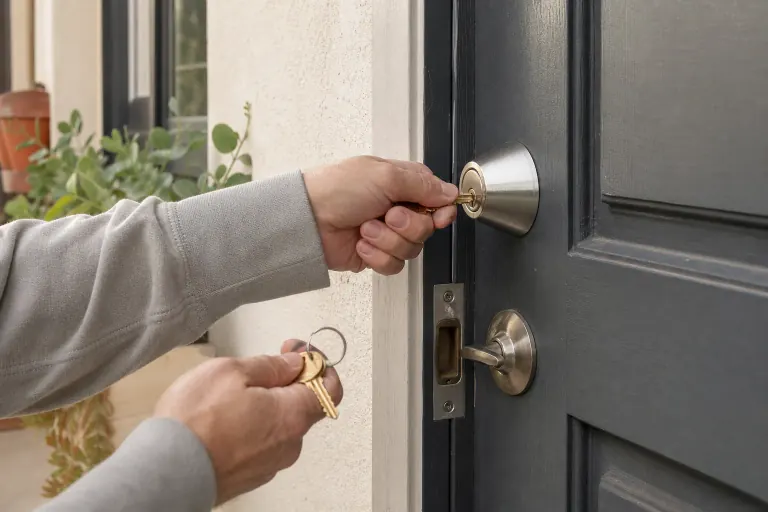
When a locksmith arrives to rekey a lock, they first remove the cylinder from the door. Most residential cylinders are held in by a screw or a clip. The locksmith then inserts the new key and uses a tool to push out the old pins. They measure the pin heights needed for the new key and install the correct pins. The cylinder is reassembled, tested, and reinstalled. The whole thing takes about five to ten minutes per lock, assuming the hardware is in good condition and the locksmith has the right pins on hand.
The job does not require removing the entire lock from the door. The cylinder comes out, the pins are swapped, and the cylinder goes back in. The finish, the brand name, and the appearance do not change. A visitor would not know the lock had been rekeyed unless they tried to use an old key.
For a property with many locks, the locksmith will bring a kit of pins and a few different key blanks. They will cut all the new keys on site and test each lock. The work is clean and produces no debris or dust. There is no need to repaint or touch up the door.
What rekeying does for security and convenience
Rekeying is a practical tool for managing access. It does not harden the lock against physical attack, but it does eliminate the risk of old keys being used. That matters in rental properties, shared offices, and homes where keys have been passed around. The peace of mind comes from knowing that only the people you choose have keys that work.
Convenience is another factor. Rekeying lets you keep the same handles and the same installation. If the existing hardware is good quality, there is no reason to tear it out. The process is fast, and the cost is lower than buying and installing new locks. For a property with several doors, the savings add up.
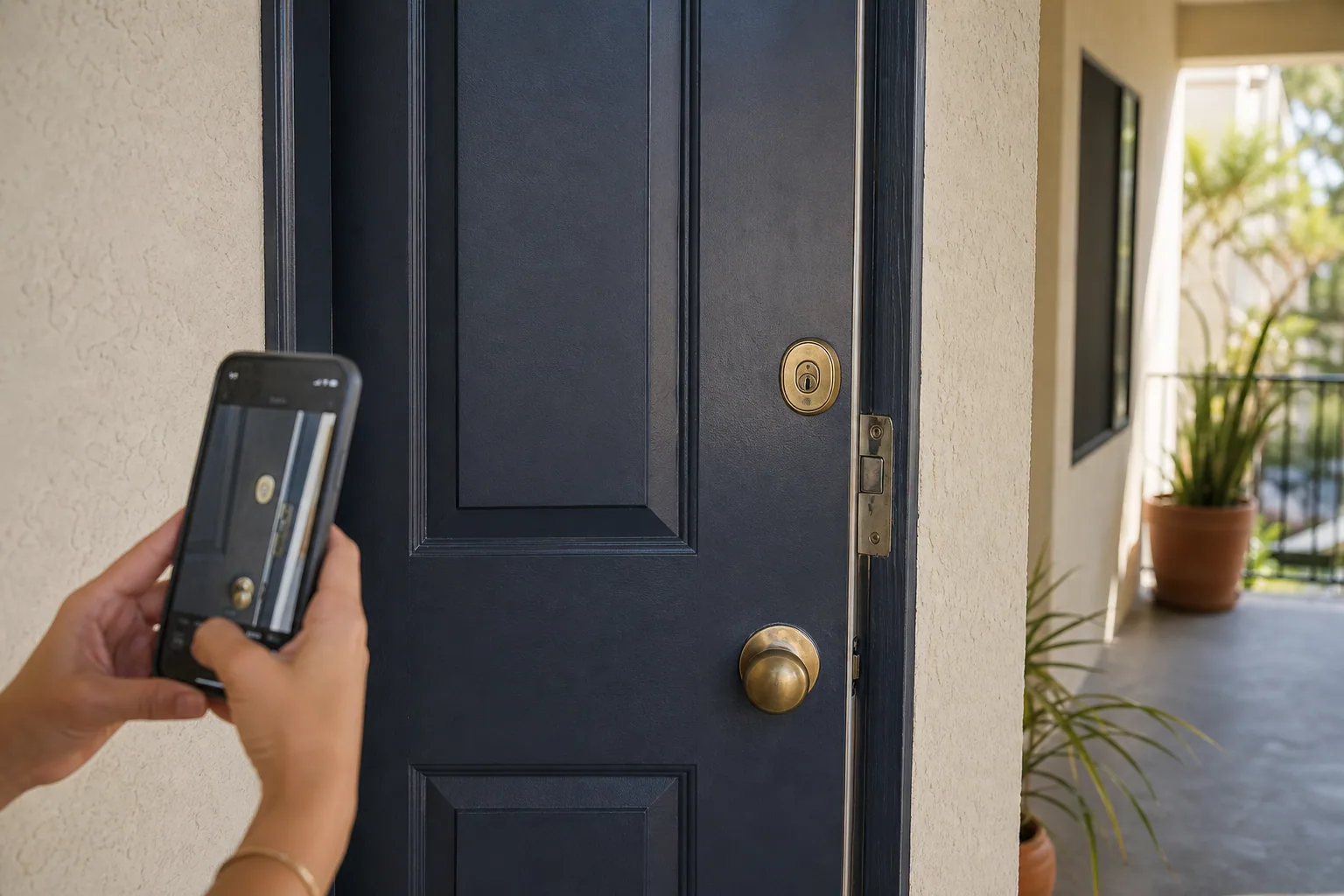
However, convenience should not be confused with an upgrade. Rekeying maintains the status quo. If the current lock is flimsy or the door frame is weak, rekeying does nothing to improve those weak points. A reinforced strike plate, longer screws, and a heavy-duty deadbolt are separate improvements that may be needed for real security.
The role of a professional
Rekeying is not a difficult skill, but it does require the right tools and pin kits. A property owner who attempts it without experience may damage the cylinder or install the wrong pins, leaving the lock unusable. Hiring a qualified locksmith ensures the job is done correctly and that the new keys work reliably. A service like rrlocksmithlosangeles.com connects people with available providers who can handle rekeying for homes, businesses, and vehicles. The locksmith brings the necessary pins and key blanks, and the work is done on site with minimal fuss.
Rekeying is a straightforward fix for a common problem: lost key control. It changes the internal mechanics so a new key works and old ones do not. It does not change the lock's strength, condition, or features. When the hardware is sound and the goal is simply to reset who has access, rekeying is a practical, cost-effective choice. When the lock itself is the weak link, replacement is the better path. Knowing the difference helps you make the right call for your property.